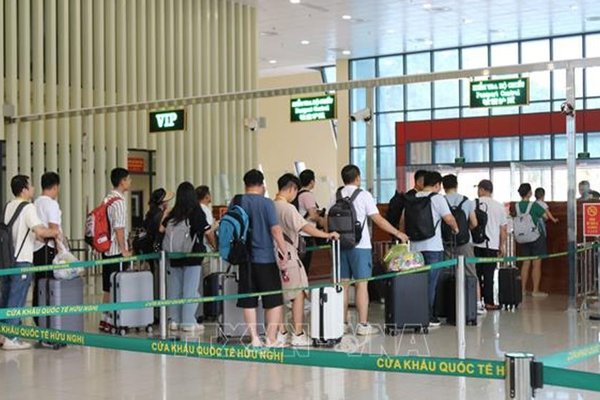
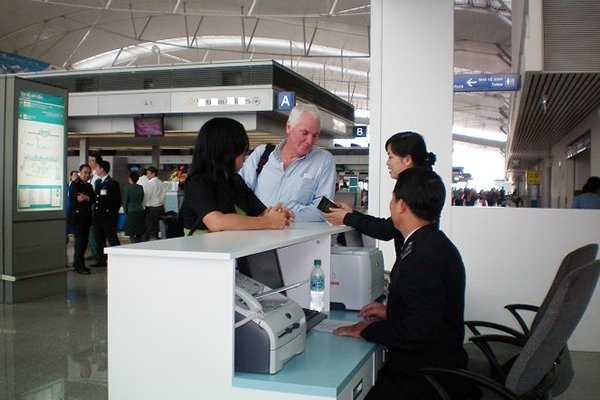
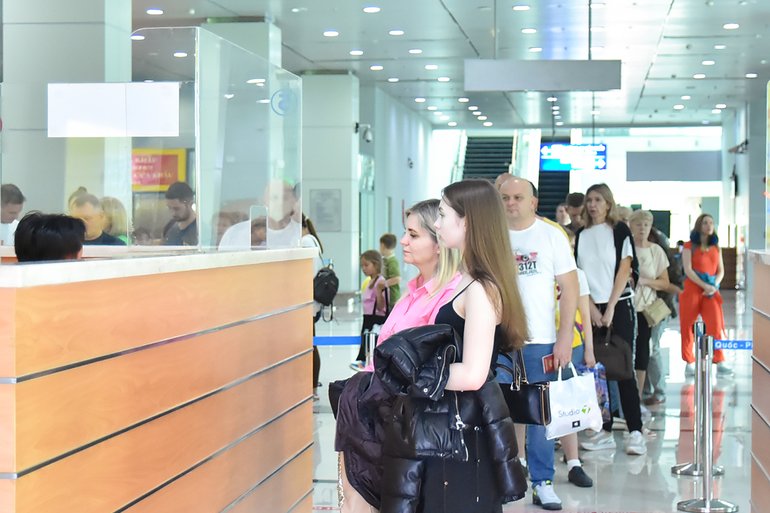
 Photo by PHAM HIEU / baoangiang.com.vn
The 30-day visa exemption policy for international visitors to Phu Quoc has been regarded as a breakthrough measure that has helped promote tourism development on the island. However, many experts believe that the policy should be further expanded in order to make better use of Phu Quoc’s advantages and support tourism growth across the Mekong Delta region.
Visitors Seek a More Complete Travel Experience
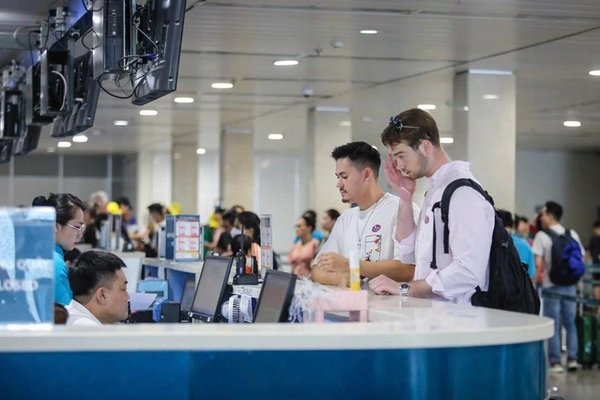
While relaxing at a resort in Phu Quoc, Mr. Michael Jensen, a visitor from Denmark, said he chose Phu Quoc because of its convenient visa exemption policy.
“I chose to travel to Phu Quoc because the visa exemption policy is convenient. I did not need to prepare many documents or wait for approval as before. I only needed to book my ticket and travel. That was one of the reasons I chose Phu Quoc instead of other destinations in Asia,” he said.
Mr. Jensen said Phu Quoc has beautiful scenery and a suitable climate for international visitors from colder countries. He and his family stayed on the island for nearly 20 days. Toward the end of the trip, they wanted to leave the island to explore more destinations in the Mekong Delta, including sacred mountain areas, floating markets, and the region’s distinctive river culture.
However, he said he was informed that if he left Phu Quoc, he would need to apply for a visa. As a result, his family decided to postpone the mainland trip to another occasion.
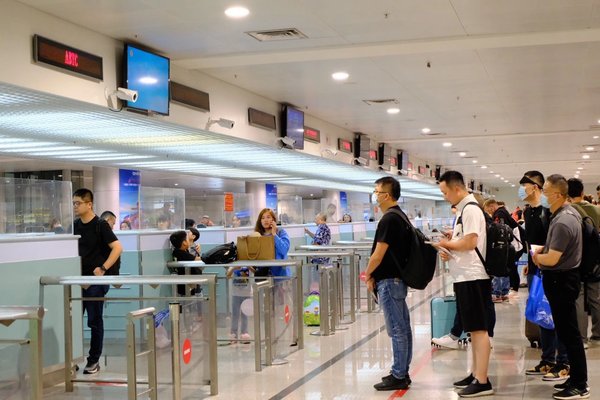
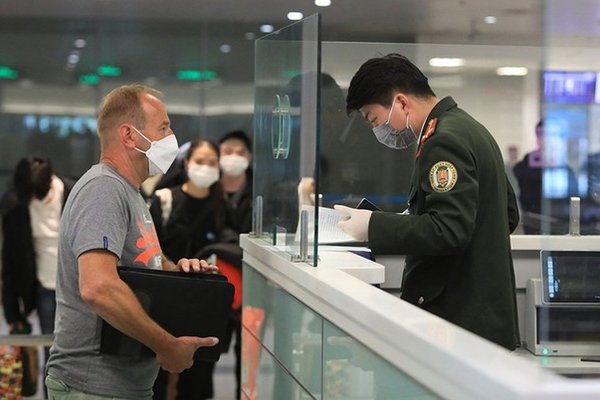
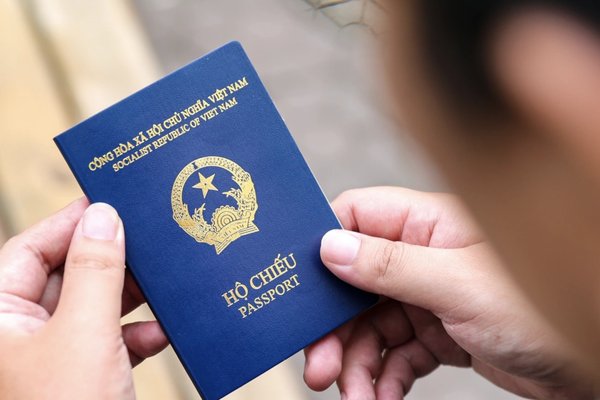
Many international visitors have also expressed appreciation for the current visa policy applied to Phu Quoc. Mr. Williams Brown, a visitor from the United Kingdom, said he only needed to ensure that his passport was valid for more than six months and that he had a return ticket or an onward ticket to a third country. Upon arrival in Phu Quoc, the immigration procedure took less than 10 minutes.
“For destinations with convenient visa policies like Phu Quoc, travel decisions become much easier. However, it would be even better if the policy could be expanded so that, after entering Phu Quoc, visitors are allowed to continue travelling to other localities in the province and the Mekong Delta region. This would make the travel experience more complete, provided that visitors are still required to depart from Phu Quoc,” he said.
Visa Facilitation as a Key Driver for Tourism Development
According to tourism experts, managers, and businesses, An Giang has unique landscapes, diverse culture, and a rich system of festivals after the administrative merger, creating favourable conditions to attract and retain international visitors. However, if the current visa policy is further relaxed, tourism development could benefit not only Phu Quoc but also the wider Mekong Delta region.
Mr. Mai Tuan Kiet, Vice Chairman of the provincial Tourism Association, said international visitors, especially those from Europe, often prefer long-stay trips. If their travel is limited to Phu Quoc, they may miss many distinctive experiences in the Mekong Delta.
For this reason, the association has repeatedly proposed extending the visa exemption period for international visitors to Phu Quoc to 60 or 90 days instead of the current 30 days. More importantly, visitors should be allowed to travel to destinations outside Phu Quoc, including localities in the Mekong Delta region, without having to complete additional visa procedures. This would create a strategic incentive for more flexible itineraries, longer stays, and higher visitor spending.
From a business perspective, Mr. Tran Van Tam, Deputy Director of Vietravel An Giang Branch, said that after the merger, An Giang’s challenge is not only to develop tourism, but also to connect existing tourism potential more effectively. Visa policy is an important link in this process.
“If international visitors can fly to Phu Quoc for a few days of relaxation and then continue their journey to Chau Doc, Tinh Bien, U Minh Thuong, as well as the fields and rivers of the Mekong Delta, this would not only expand their travel experience but also open wider opportunities for regional development,” he said.
Proposals for Longer Visa Exemption and Regional Travel Access
Associate Professor Dr. Pham Trung Luong, a member of the national planning advisory expert group, suggested that foreign visitors to Phu Quoc could be granted visa exemption for up to 180 days. After staying in Phu Quoc for at least 48 hours, visitors could be allowed to travel to other provinces and cities in Vietnam without applying for a visa, for a maximum period of 45 days.
He also proposed granting visas or temporary residence cards valid for 5 to 10 years to foreigners who own houses or construction works, such as condotels and resort villas, in Phu Quoc. Such a mechanism could help develop Phu Quoc into an international tourism gateway for the wider region and support stronger tourism growth in the Mekong Delta.
Preparing for APEC 2027
Mr. Nguyen Thanh Quoc, Deputy Director of the Department of Tourism, said that in order to stimulate tourism demand, attract international visitors, and prepare for APEC 2027, the tourism sector has proposed that central ministries and agencies advise the Government to introduce a breakthrough special visa policy.
The proposals include increasing the visa exemption period to 180 days for foreigners who enter Phu Quoc directly or travel to Phu Quoc by air from international border gates within Vietnam.
In addition, citizens of countries currently eligible for 45-day visa exemption could be allowed to travel directly to Phu Quoc and then continue to other localities in Vietnam without completing additional visa procedures.
Source: Baoangiang.com.vn
Recent Posts
From 1 July 2026, Vietnam Adds Two New Visa Types for Foreigners
What is a Vietnam loose-leaf / sticker visa? When is it issued?
Processing Time for Visa Exemption Certificates Reduced to 1 Working Day