Vietnam Considers Long-Term Visa Incentives for Foreign Cultural Experts
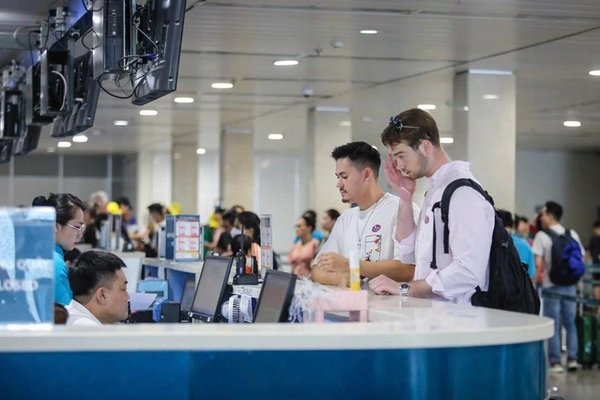
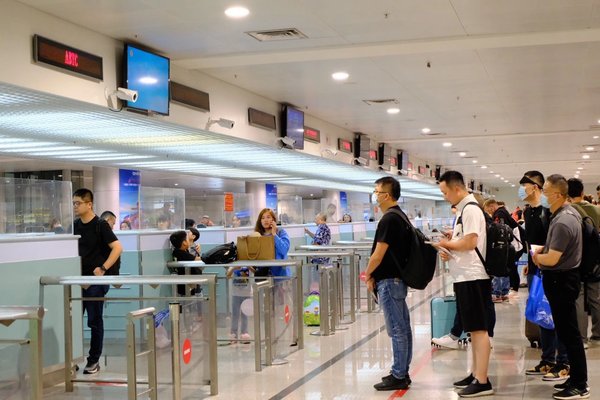
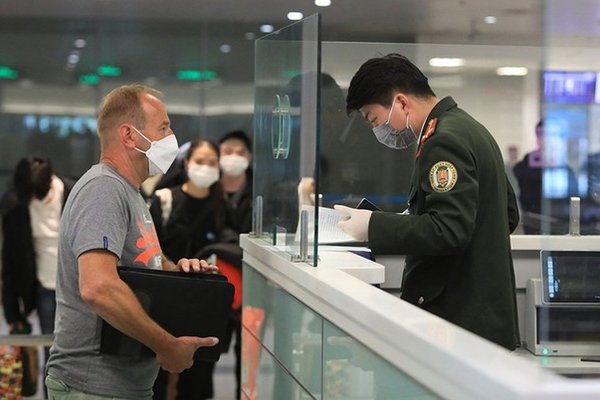
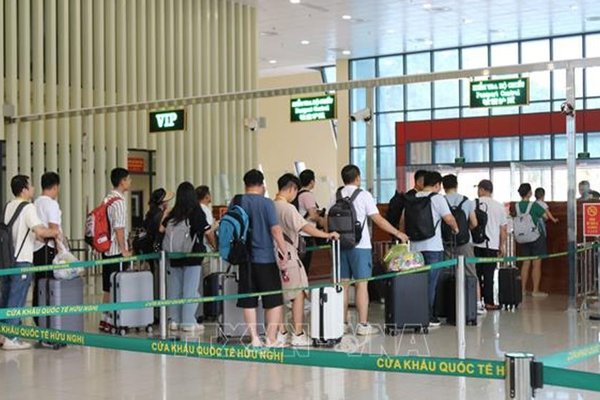
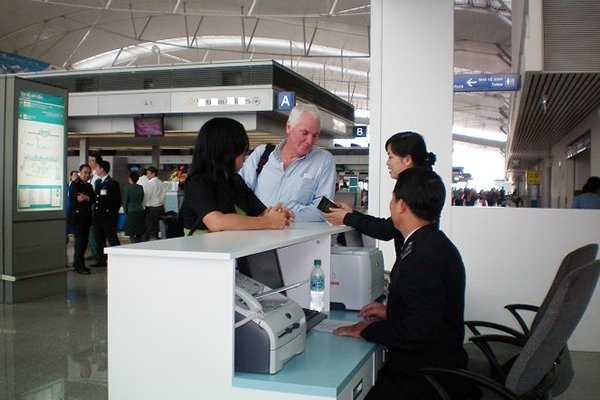
National Assembly deputies have proposed introducing a special “cultural visa” or “creative card” for foreign experts, international artists, and leading heritage managers participating in cultural industry projects in Vietnam.
The proposal was raised during a group discussion on the draft National Assembly Resolution on breakthrough mechanisms and policies for the development of Vietnamese culture. Deputies expressed broad support for the resolution, saying it is necessary to institutionalize and implement the Politburo’s directions on cultural development.
Special Visa Policy for Cultural Experts
In addition to proposed personal income tax exemptions and reductions for foreign experts and scientists, deputies suggested adding a long-term visa mechanism for high-level international talent in the cultural sector.
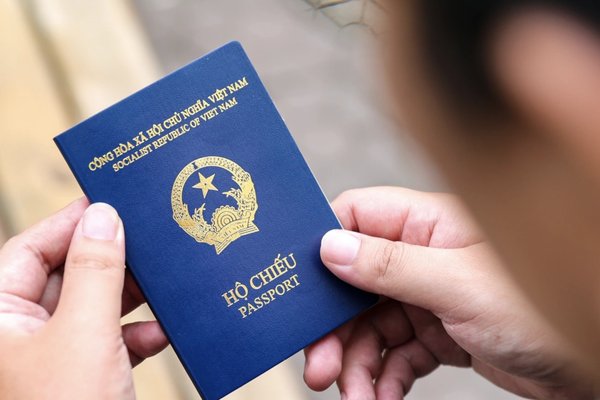
Under the proposal, foreign experts, international artists, and leading heritage managers involved in cultural industry projects in Vietnam could be granted long-term visas valid for up to 5 years, or visas that may be extended multiple times.
The policy is intended to support international integration, attract global expertise, and strengthen Vietnam’s cultural and creative industries.
Stronger Incentives for Cultural Research and Development
Deputies also recommended stronger incentives for research and development in digital culture and high-tech cultural industries.
Proposed priority areas include artificial intelligence-based digital content tools, virtual reality, blockchain applications, and technologies used for cultural preservation and creative production.
According to deputies, without stronger support for cultural R&D, Vietnam may find it difficult to develop competitive national digital cultural products for the global market.
Clear Criteria Needed for Investment and Public-Private Cooperation
Several deputies noted that the draft resolution introduces more flexible mechanisms for investment and public-private cooperation in the cultural sector. However, they emphasized that cultural development requires careful management, as excessive commercialization could weaken cultural values.
Deputies proposed clearer criteria to determine which cultural fields may be opened to deeper social investment and which areas should remain under the leading role of the State, especially core heritage assets and essential cultural institutions.
Performance-Based Incentives and Post-Inspection Mechanisms
While supporting tax incentives to attract investment in cultural industries, deputies suggested that incentives should be linked to clear outcomes.
Recommended criteria include the level of creativity, the proportion of Vietnamese content, contribution to cultural exports, and overall impact on national cultural development. Post-inspection mechanisms were also proposed to prevent policy misuse.
Support for Foreign Film Crews and International Cooperation
The draft resolution also includes provisions on cost reimbursement for foreign film crews. Deputies welcomed the policy but proposed adding an inter-agency “one-stop” mechanism for film permit procedures, with a processing time of around 15 days, to reduce administrative barriers.
Cultural and Arts Fund Proposed Under Public-Private Partnership Model
Deputies also discussed the proposed establishment of a cultural and arts fund operating under a public-private partnership model, with characteristics of a venture investment fund.
The fund would support creative projects that may carry higher risk but have strong potential for cultural, social, and economic impact. Deputies noted that many cultural products, including films, music, and digital content, are experimental by nature and require a more flexible funding mechanism.
However, they stressed that the fund must operate with clear criteria, transparent project selection, accountability, investment discipline, and risk-sharing mechanisms with the private sector.
Measuring Cultural Impact Beyond Financial Profit
Deputies emphasized that the effectiveness of cultural investment should not be measured only by financial returns.
Evaluation criteria should also consider social influence, contribution to national cultural identity, cultural export potential, and the competitiveness of Vietnam’s cultural industries.
If designed properly, the proposed policies could create stronger support for innovative cultural projects and help enhance Vietnam’s soft power in the international arena.
Recent Posts
From 1 July 2026, Vietnam Adds Two New Visa Types for Foreigners
What is a Vietnam loose-leaf / sticker visa? When is it issued?
Processing Time for Visa Exemption Certificates Reduced to 1 Working Day