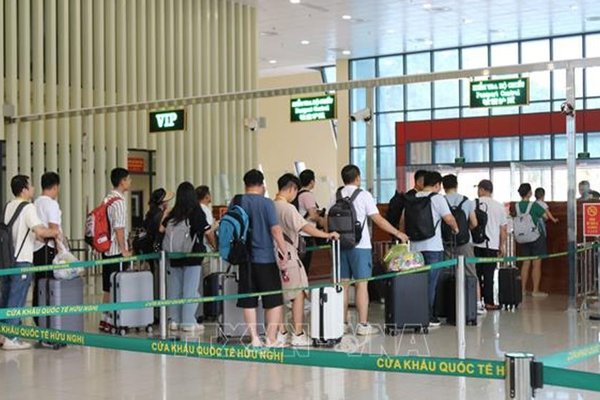
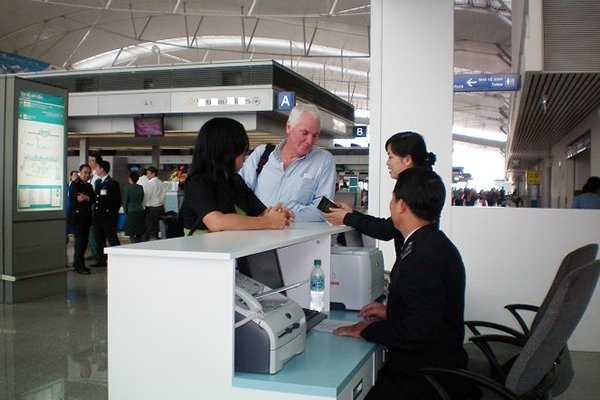
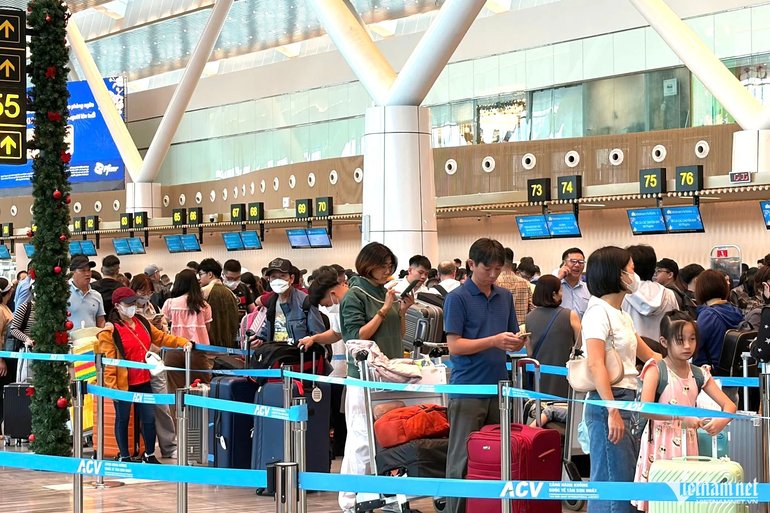
 Photo: vietnam.vn
In 2026, Vietnam continues to update its entry regulations to facilitate international travel while strengthening immigration management, residence control, and border security.
These updates reflect Vietnam’s efforts to support tourism recovery, promote international integration, and modernize immigration procedures. The following are the key points travellers should note when entering Vietnam in 2026.
1. Online Pre-Arrival Declaration Required at Selected Border Gates
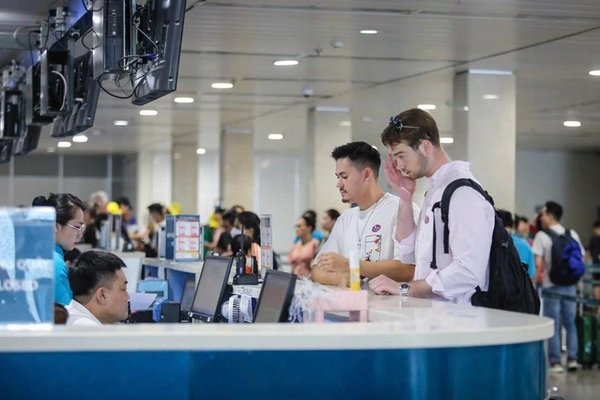
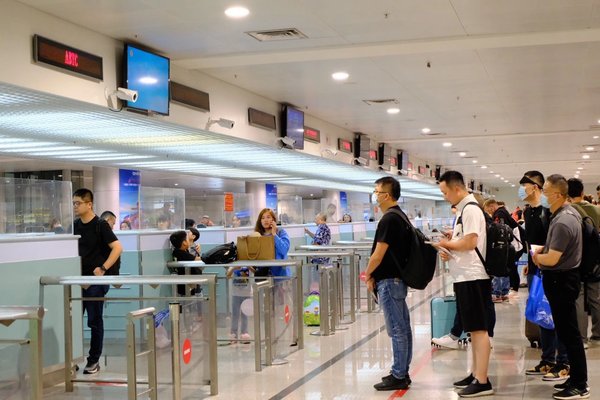
According to the latest notice from the Vietnam Immigration Department, from 15 April 2026, foreign nationals and overseas Vietnamese entering Vietnam with a visa through Tan Son Nhat International Airport are required to complete a pre-arrival declaration before immigration clearance.
- Passengers must submit their information online, receive a QR code, and present the QR code to immigration officers upon arrival.
- This requirement is intended to reduce waiting time, improve border control efficiency, and support the digitalization of Vietnam’s immigration procedures.
2. Amended Immigration Law Effective from 1 July 2026
Vietnam’s legal framework on entry, exit, transit, and residence will be updated from 1 July 2026. The amendments include new provisions on residence management, foreign national control, and data synchronization between relevant authorities.
These changes aim to improve transparency, ensure consistency among state management agencies, and align Vietnam’s immigration system with international practices.
3. New Visa Categories for High-Quality Professionals
Vietnam will introduce additional visa categories in 2026, with priority given to experts, high-quality digital technology professionals, and individuals with special contributions.
This policy is part of Vietnam’s strategy to attract international talent and support socio-economic development.
4. Continued Expansion of E-Visa and Visa Exemption Policies
Vietnam will continue to maintain its electronic visa system with a simplified application process and faster processing time.
Short-term visa exemption policies are also expected to be further expanded, helping make Vietnam’s entry regulations more flexible and supportive of tourism, business travel, and investment.
5. Basic Entry Requirements Remain Unchanged
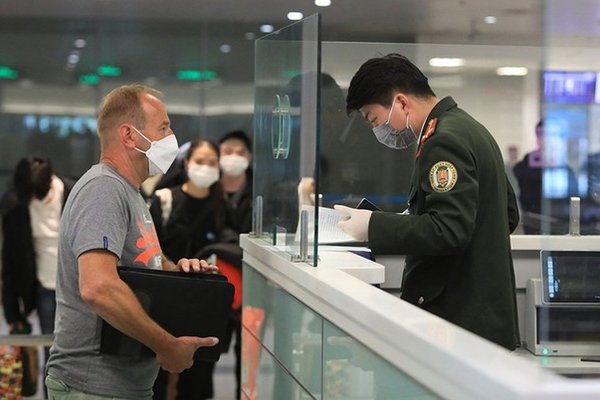
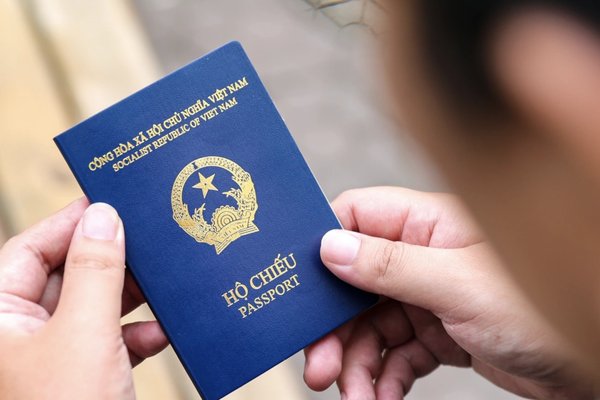
Despite the new updates, the core entry requirements remain stable. Travellers entering Vietnam must hold a valid passport, a valid visa or visa exemption document where required, and must be able to provide information about their purpose of entry when requested by competent authorities.
Travellers are advised to ensure that their passport remains valid for at least six months from the date of entry, unless otherwise provided under applicable regulations or international agreements.
6. Enhanced Data Management and Security Control
A key direction of Vietnam’s 2026 entry regulations is the stronger use of technology in immigration management.
Data sharing among relevant authorities will be strengthened to improve supervision, prevent risks, and ensure national security while maintaining a more efficient entry process for eligible travellers.
Recent Posts
From 1 July 2026, Vietnam Adds Two New Visa Types for Foreigners
What is a Vietnam loose-leaf / sticker visa? When is it issued?
Processing Time for Visa Exemption Certificates Reduced to 1 Working Day